
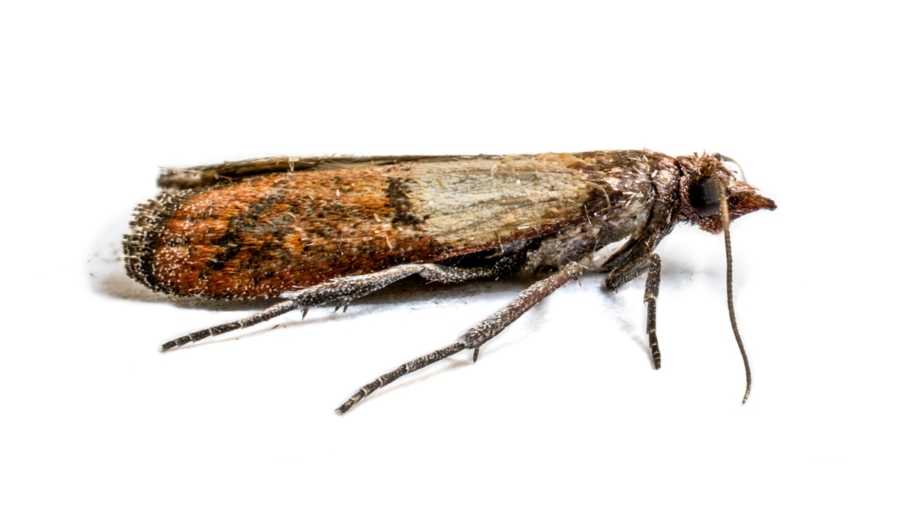
In the realm of household pests, clothes moths and pantry moths hold a notorious reputation. Their ability to wreak havoc on our wardrobes and pantries, causing irreversible damage to precious garments and food supplies, is a source of concern for many homeowners. Understanding the behavior, habits, and prevention methods of these common pests is crucial for maintaining a clean and pest-free home. In this article, we delve into the world of clothes and pantry moths, arming you with the knowledge and strategies to effectively combat their presence and protect your belongings.
Introduction:
Welcome to our blog, where we delve into the world of Clothes & Pantry Moths, those tiny yet potent adversaries that can wreak havoc on your beloved garments and pantry supplies. This article aims to provide you with a comprehensive understanding of these moths, their habits, and most importantly, effective strategies to keep them at bay.
Understanding Clothes & Pantry Moths:
Clothes and Pantry Moths, belonging to the species Tineola bisselliella and Plodia interpunctella respectively, are common household pests.
Clothes moths are small; they have mottled brownish-gray wings with irregular light and dark markings that have a wingspan of about 1/2 inch. They have a distinct fringe on their wings and can be seen flying around or resting on clothing and furniture. Larvae (caterpillars) are whitish-yellow with brown heads and measure up to 1/2 inch long.
Pantry moths are similar in appearance to clothes moths, but they are larger and have a more yellowish-brown color.
Clothes moths are notorious for their ability to damage natural fibers like wool, silk, and cotton, while pantry moths infest dried foods such as grains, nuts, and dried fruits.
The Life Cycle and Habits:
Understanding the life cycle and habits of these moths is crucial for effective prevention. Both types of moths lay their eggs in their preferred environments – clothes moths in dark, undisturbed areas like closets, and pantry moths in food storage areas. The larvae, not the adult moths, are the primary culprits causing damage.
Prevention Strategies:
- Regular Cleaning: Regularly clean your closets, drawers, and pantry. Vacuum corners and crevices where moths might lay their eggs. For clothes, ensure they are clean before storing them away, as moths are attracted to bodily fluids and food stains.
- Proper Storage: Store clothes in airtight containers or use moth-proof bags. For pantry items, use airtight glass or plastic containers. Check food items for signs of infestation before purchasing or storing them. Regularly inspect and rotate your stored food items to prevent infestations.
- Natural Repellents: Certain natural scents act as moth deterrents. These include lavender, cedarwood, and peppermint. Consider using these in your closets and pantry.
- Traps: Pheromone traps can be used to monitor and control moth populations. These traps lure adult moths with pheromones, disrupting their mating cycle. To help you narrow down your choices, we recommend you choose one of the best Moth Traps for Clothes and Pantry on the market Moonlake Republic Moth Natural & Odor-Free Traps with Pheromones for Clothes and House Pantry.
- Professional Help: If the infestation is severe, it may be necessary to seek professional pest control services.
Conclusion:
Clothes & Pantry Moths may be small, but their impact can be significant. However, with the right knowledge and preventive measures, you can effectively protect your wardrobe and pantry from these unwanted guests. Remember, the key to moth control is vigilance, cleanliness, and proactive prevention.
Stay tuned to our blog for more tips and tricks on maintaining a moth-free home. Until next time, keep your clothes and pantry safe!
